How Dental Implants Support Whole Body Wellness
3 min
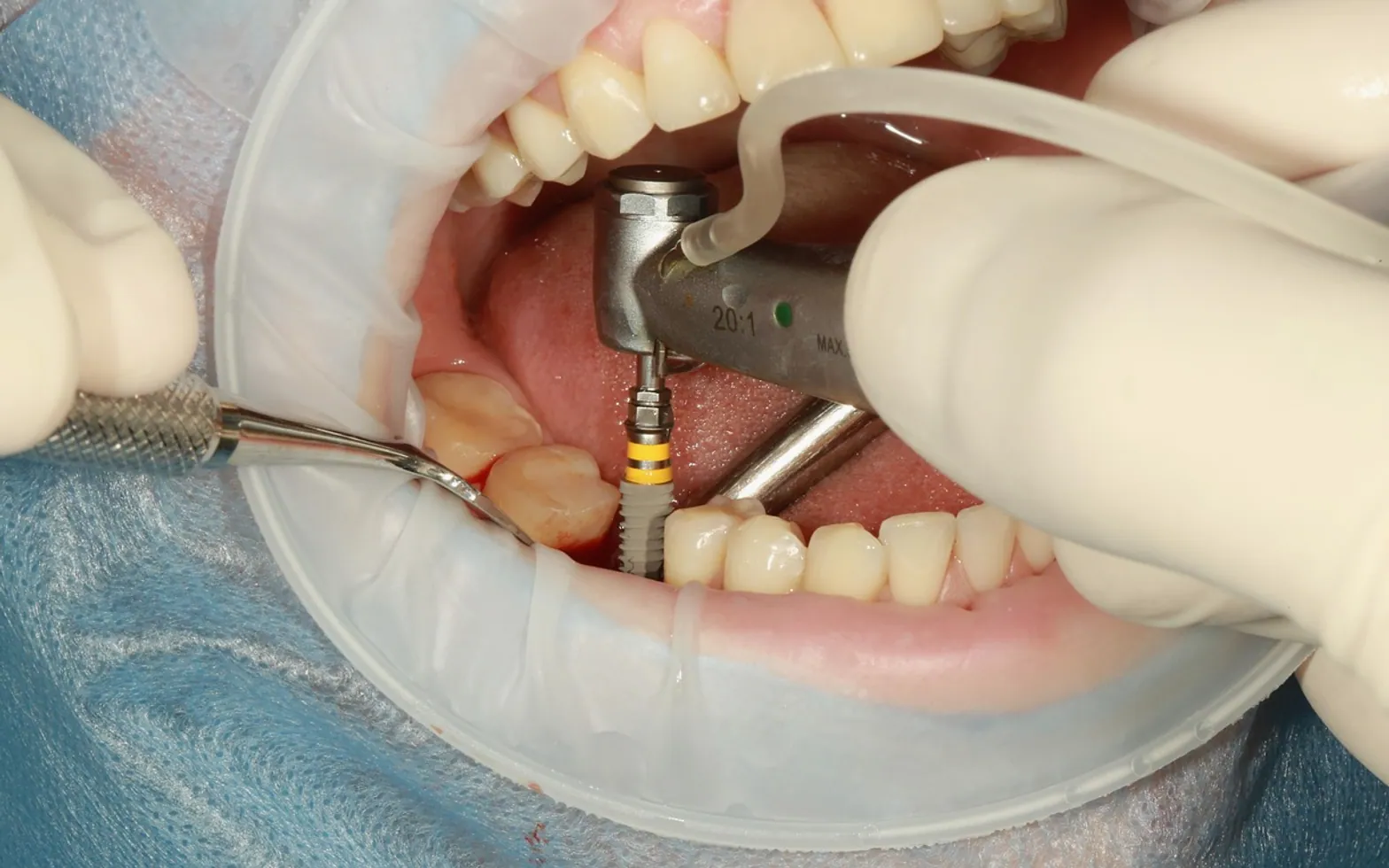
It is easy to think of a missing tooth as a cosmetic problem, something to hide in photographs. Yet the mouth is where eating, talking and a great deal of social life begin, so a gap can quietly change habits well beyond the bathroom mirror. Dental implants are one of the options dentists use to restore what was lost, and it helps to understand why they are often discussed in terms of general wellbeing rather than looks alone.
What an implant actually replaces
Unlike a removable plate, an implant replaces the root as well as the visible crown. A small post is placed in the jawbone, the bone heals around it, and a crown is attached on top. Because it is anchored in place, it does not slip while chewing and does not rely on grinding down neighbouring teeth, as a traditional bridge sometimes does. Whether someone is suitable depends on bone, gum health, general health and personal preference, which is why a proper assessment comes first.
Eating well again
People with gaps or loose dentures often drift towards softer foods without noticing. Crunchy vegetables, apples, nuts and tougher cuts of meat get left on the plate, and meals lean towards bread, pasta and other easy options. Over months that can narrow the diet. A stable bite makes it more comfortable to return to a wider range of foods, which supports the kind of balanced, fibre-rich eating most health advice recommends. For older relatives in particular, being able to enjoy a normal family meal matters for both nutrition and mood.
Gums, speech and comfort
- Cleaning: when teeth shift into a gap, awkward angles can make brushing harder. A restored, even line of teeth is usually simpler to keep clean, as long as daily care continues.
- Speech: front teeth help shape certain sounds. Replacing a missing one can make speaking feel more natural again.
- Comfort: some people find a fixed tooth easier to live with than a removable appliance that has to be taken out and soaked.
Gum health is often linked in general terms with overall health, but an implant is not a treatment for any other condition. It is one part of looking after the mouth, alongside a twice-daily brushing habit, floss or small interdental brushes, and routine dental visits.
Confidence and everyday life
People who are self-conscious about their teeth sometimes cover their mouth when laughing or avoid speaking up. Feeling comfortable with a smile again can make social situations easier, from family gatherings to work meetings. That change is personal and varies widely, but it is a reason many patients give for exploring treatment.
Choosing where to go
Implant treatment takes planning and several visits, so it pays to choose a practice that explains each step clearly. Patients in Texas, for example, can look at Summerbrook Dental & Implants Fort Worth, a practice that offers implant care alongside general dentistry and describes its services openly. Wherever you live, useful questions include how suitability is assessed, what the healing period looks like, how the implant should be cleaned at home and what follow-up visits are needed.
Your own dentist is the right person to talk through whether an implant, a bridge or a denture fits your situation, and to explain the benefits and risks of each in your case.
Don’t miss these
 Pregnancy & FamilyNewborn Hunger Cues: How to Tell Your Baby Is Hungry4 min
 HealthWhat Is Ashwagandha? A Beginner’s Guide to the Ancient Adaptogen2 min
 Pregnancy & FamilyNewborn Umbilical Cord Care: Looking After the Stump4 min
 HealthHow Does Sleep Work: An In-Depth Look at the Body’s Nocturnal Processes3 min