How to Store Medicine at Home Safely
4 min
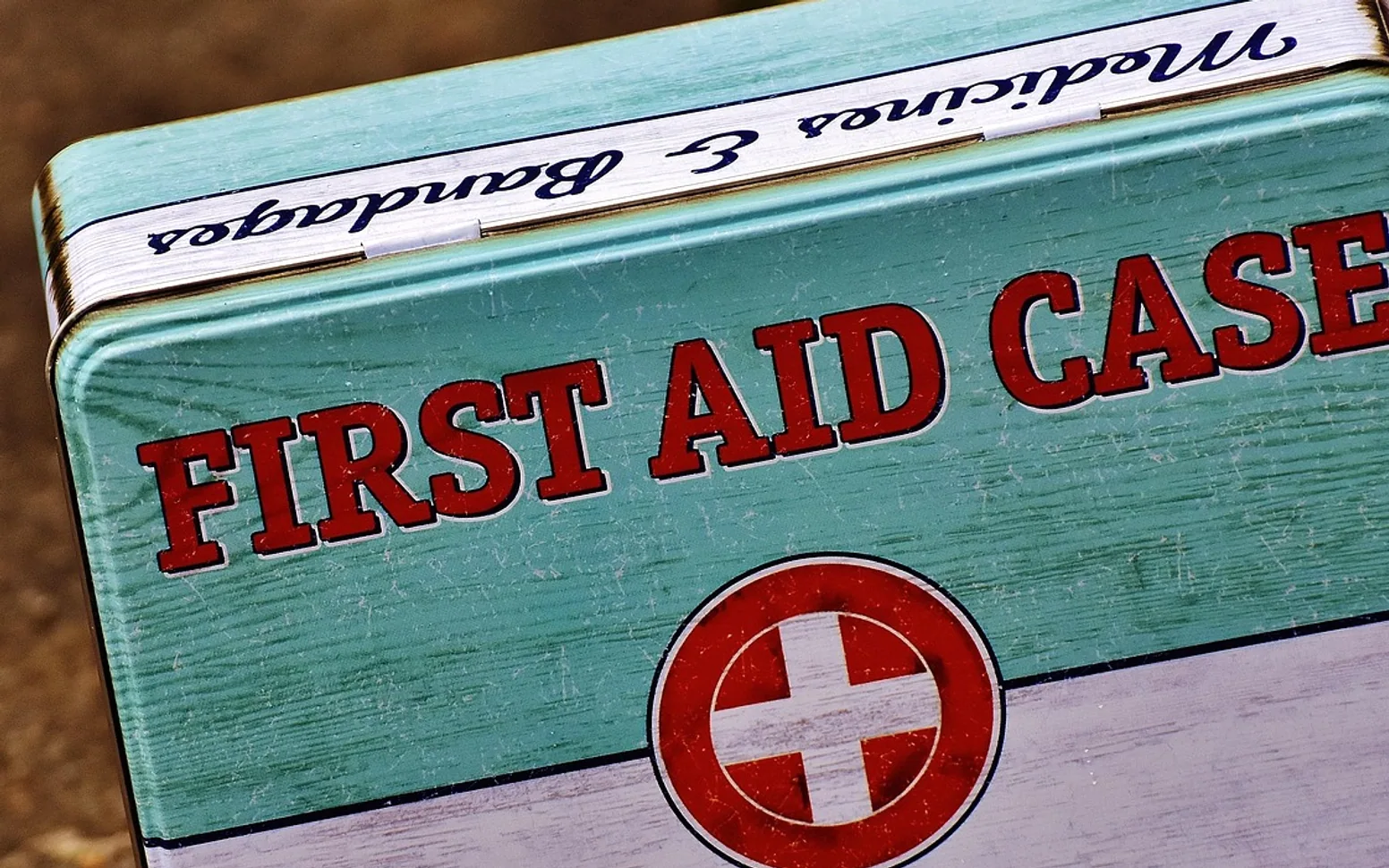
Most medicines keep best in a cool, dry place out of direct light, in their original packaging, and out of the reach and sight of children. A high cupboard in a bedroom or hallway usually works well. The bathroom cabinet, despite its name, is often one of the worst places, because steam and warmth from showers can damage tablets and capsules. Some medicines need the fridge, and the label will say so.
Good spots and poor spots
| Place | Suitable? | Why |
|---|---|---|
| High cupboard in a bedroom or hallway | Usually good | Stable temperature, dry, easy to keep out of reach |
| Lockable box or cabinet | Very good | Adds a barrier for children and visitors |
| Bathroom cabinet | Often poor | Humidity and temperature swings from baths and showers |
| Kitchen next to the cooker, kettle or sink | Poor | Heat and steam |
| Windowsill or sunny shelf | Poor | Light and warmth can affect some medicines |
| Car glovebox | Poor | Can become very hot or very cold |
| Handbag or coat pocket | Short term only | Convenient, but easy for children to reach |
Read the storage line on the pack
Every medicine comes with storage instructions on the label or in the leaflet, sometimes with a temperature range. Follow them exactly. Phrases like "store in a dry place", "protect from light" or "do not refrigerate" are there for a reason. If a medicine has changed colour, smell or texture, or tablets have become crumbly or sticky, do not use it; ask a pharmacist.
Medicines that need the fridge
A minority of medicines must be kept cold, such as some liquid medicines once they are mixed, certain eye drops and some injections. A few can be kept at room temperature for a limited time once opened. For anything that needs refrigeration:
- store it in the main body of the fridge, not in the door or against the back wall where it might freeze;
- keep it in a closed container, away from raw food;
- never freeze it unless the instructions say so;
- check the label for how long it lasts once opened, and write the opening date on the pack.
Keep the original packaging
Original packs carry the name, strength, expiry date, batch number and your instructions. Blister packs also protect tablets from air and moisture. A weekly pill organiser is fine for convenience, but fill it from the original packs for a short period only and keep those packs, so you can check details later. Some medicines should not be removed from their blister until just before use; a pharmacist can tell you which.
Keeping children and visitors safe
Child-resistant caps slow children down, but they are not childproof. Store all medicines, vitamins and supplements high up and out of sight, ideally locked away, and put them back straight after use. Be especially careful when visitors bring medicines into the house, or when grandchildren visit a home where medicines are usually left out. Our guide to making a home safer for an older relative covers other changes that suit visiting children too. If you think a child has swallowed a medicine, contact poison control or emergency services immediately, even if they seem fine.
When an older relative takes several medicines
Couples who both take medicines can easily mix up similar-looking boxes. Use separate, clearly labelled containers, and keep current medicines apart from anything that has been stopped. If memory is becoming a problem, a locked store with a filled organiser left out for the day can be safer than full packs within reach. Our pillar guide on caring for elderly parents at home and our practical routine for medication management for elderly parents both go further.
Expired and unused medicines
- Check dates twice a year. Pick memorable moments, such as the change of season, to go through the cupboard.
- Separate what is no longer used. Old prescriptions, medicines that were stopped and expired items all go in one bag.
- Use a take-back option. Many pharmacies and community schemes accept unwanted medicines. Ask locally before throwing anything away.
- Follow the label if no take-back is available. Some packs include disposal instructions. Do not flush medicines unless the instructions specifically say to.
- Remove personal details from labels before recycling any packaging.
Never share prescription medicines with someone else, even if their symptoms seem the same.
Travelling with medicines
Pack medicines in hand luggage in their original containers, with enough for the trip plus a few spare days. A copy of the prescription or medicine list is useful if you need help while away. Rules for carrying medicines differ between countries and airlines, so check before you go. Keep fridge items in an insulated bag with a cool pack, without letting them touch the pack directly.
A quick checklist
- Cool, dry, dark place, out of reach and sight of children.
- Original packaging, labels intact.
- Fridge items in the main compartment, never frozen.
- Current and stopped medicines kept apart.
- Expiry dates checked regularly, and old stock returned to a pharmacy.
Products bought without a prescription deserve the same care. Our guide to over-the-counter medicines explains how to choose and use them well.
Don’t miss these
 Pregnancy & FamilyNewborn Hunger Cues: How to Tell Your Baby Is Hungry4 min
 HealthWhat Is Ashwagandha? A Beginner’s Guide to the Ancient Adaptogen2 min
 Pregnancy & FamilyNewborn Umbilical Cord Care: Looking After the Stump4 min
 HealthHow Does Sleep Work: An In-Depth Look at the Body’s Nocturnal Processes3 min