Newborn Umbilical Cord Care: Looking After the Stump
4 min
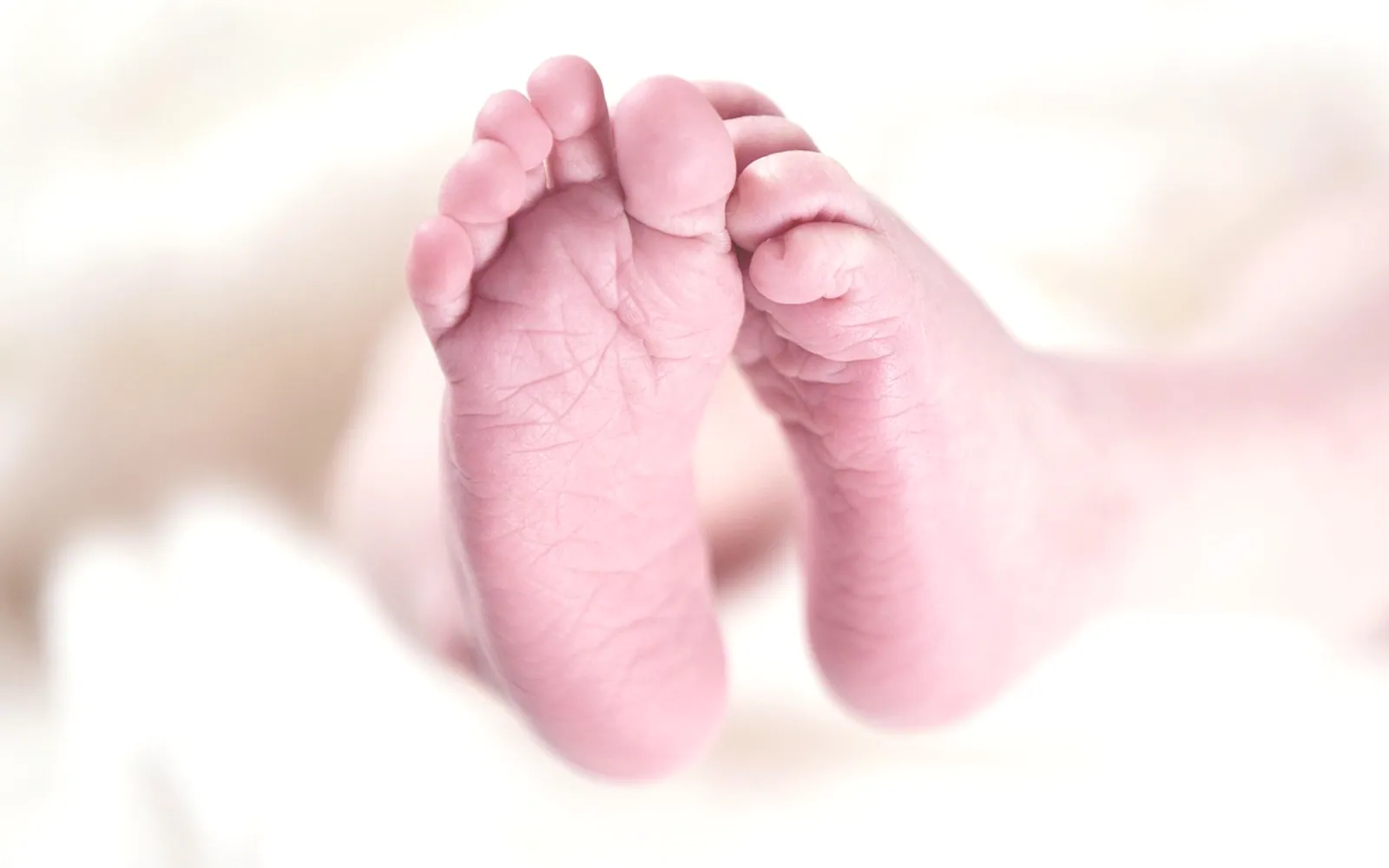
After birth, the umbilical cord is clamped and cut, leaving a short stump attached to your baby's tummy. Over the following days it dries, shrinks, darkens and eventually falls off on its own, usually within the first few weeks. Your job is mostly to keep it clean and dry, let air reach it and leave it alone. It looks more delicate than it is, and because the cord has no nerve endings, your baby cannot feel it.
What to expect as it heals
The stump changes quite a lot in a short time, which can be alarming if nobody has told you what is normal.
| Stage | What it typically looks like |
|---|---|
| Just after birth | Moist, shiny and bluish-white or yellowish, with a plastic clamp attached |
| First days | Clamp removed before or soon after you go home; the stump begins to dry and harden |
| Drying out | Turns brown, grey or black and shrivels, a bit like a scab |
| Coming away | Loosens and drops off, sometimes found in the diaper or on clothing |
| Just afterwards | A small raw or pink spot that may ooze a little clear fluid or leave a few spots of blood |
The cord was your baby's lifeline throughout pregnancy, linking them to the placenta that formed in the early weeks. Our guide to the first trimester touches on how much changes in those first months.
Daily care, step by step
- Wash your hands before touching the area.
- Keep it dry. Fold the top of the diaper down so it sits below the stump, or use newborn diapers with a cut-out.
- Clean only if it gets dirty. If urine or stool reaches it, wipe gently with a little plain water and pat dry with a clean, soft cloth.
- Let air reach it. Loose bodysuits and short spells with the tummy uncovered in a warm room help it dry.
- Leave it to fall off naturally, even if it is hanging by a thread.
Advice on cleaning products has changed over the years. Many care teams now suggest plain water and air rather than alcohol wipes or antiseptic, but practice varies, so follow what your midwife, nurse or baby's doctor recommends for your baby.
Things to avoid
- Pulling, twisting or picking at the stump, however loose it looks.
- Covering it with tight clothing, plasters or bandages.
- Applying powders, oils, creams or home remedies unless a health professional has advised it.
- Soaking the stump in a full bath before it has dropped off, if your care team recommends sponge baths in the meantime.
Bathing before and after
Many families give sponge baths until the stump has come away: a warm room, a towel on a safe flat surface, and a soft cloth to wash face, neck, hands and diaper area. Some care teams are relaxed about a brief tub bath as long as the stump is dried well afterwards, so ask what they prefer. Once the belly button has healed, regular baths are fine. Have everything ready before you start; our newborn essentials checklist lists the basics.
The belly button after the stump falls off
A newly exposed belly button may look a little red or moist for a few days and can leave a spot or two of blood on the diaper. This usually settles quickly with the same clean-and-dry approach. Whether your baby ends up with an "innie" or an "outie" has nothing to do with how the cord was cut or cared for.
Sometimes a soft bulge appears around the belly button that becomes more obvious when the baby cries or strains. This can be an umbilical hernia. Many are harmless, but always show it to your baby's doctor so they can check it.
Signs to report promptly
Infection around the stump is uncommon but needs attention. Contact your baby's doctor or midwife without delay if you notice:
- redness or swelling spreading onto the skin around the base;
- a bad smell, or yellow or cloudy discharge;
- bleeding that does not stop with light pressure from a clean cloth;
- a fever, or your baby seems unusually sleepy, floppy or uninterested in feeds;
- a lump, persistent wetness or a pink, moist growth after the stump has fallen off;
- the stump still firmly attached well after the time your care team mentioned.
If you are unsure whether something is normal, take a photo in good light and call. Health professionals would much rather hear from you early. Feeding changes are often the first hint that a baby is unwell, so our guide to newborn hunger cues is worth reading alongside this one.
Small questions, quick answers
Does the stump hurt my baby?
No. There are no nerve endings in the cord, so cleaning around it or folding a diaper near it does not cause pain, although your baby may dislike cool air on their skin.
Is a little smell normal?
A faint smell can happen as the stump dries. A strong, unpleasant odour, especially with discharge or redness, should be checked.
Should I keep the stump?
Some families do, others do not. It is a personal choice, and many parents prefer simply to note the date it came away. If you kept a pregnancy journal, that small milestone fits neatly onto its next page.
Don’t miss these
 Pregnancy & FamilyNewborn Hunger Cues: How to Tell Your Baby Is Hungry4 min
 HealthWhat Is Ashwagandha? A Beginner’s Guide to the Ancient Adaptogen2 min
- Pregnancy & FamilyNewborn Umbilical Cord Care: Looking After the Stump4 min
 HealthHow Does Sleep Work: An In-Depth Look at the Body’s Nocturnal Processes3 min