Dental Care for Elderly Parents: Daily Help and Dentist Visits
3 min
Good dental care for an older parent comes down to three things: a twice-daily clean that they can actually manage, a watchful eye for pain or changes in the mouth, and dentist visits that keep happening even when other appointments fill the calendar. When a parent starts needing help with daily life, the mouth is one of the first areas to be quietly overlooked, yet it affects eating, speaking, comfort and confidence every single day.
Why it gets harder with age
Teeth do not stop needing care, but the conditions around them change. Common reasons a routine starts to slip include:
- Stiff or painful hands that make a thin toothbrush handle and floss awkward to use.
- Memory changes, so brushing is forgotten, repeated or done in a hurry.
- Dry mouth, which many regular medicines can cause, leaving teeth less protected by saliva.
- Gums that have shrunk back, exposing softer root surfaces.
- Dentures, bridges or implants that each need their own kind of cleaning.
- Tiredness or low mood, which makes the bathroom routine feel like one task too many.
A daily routine that works
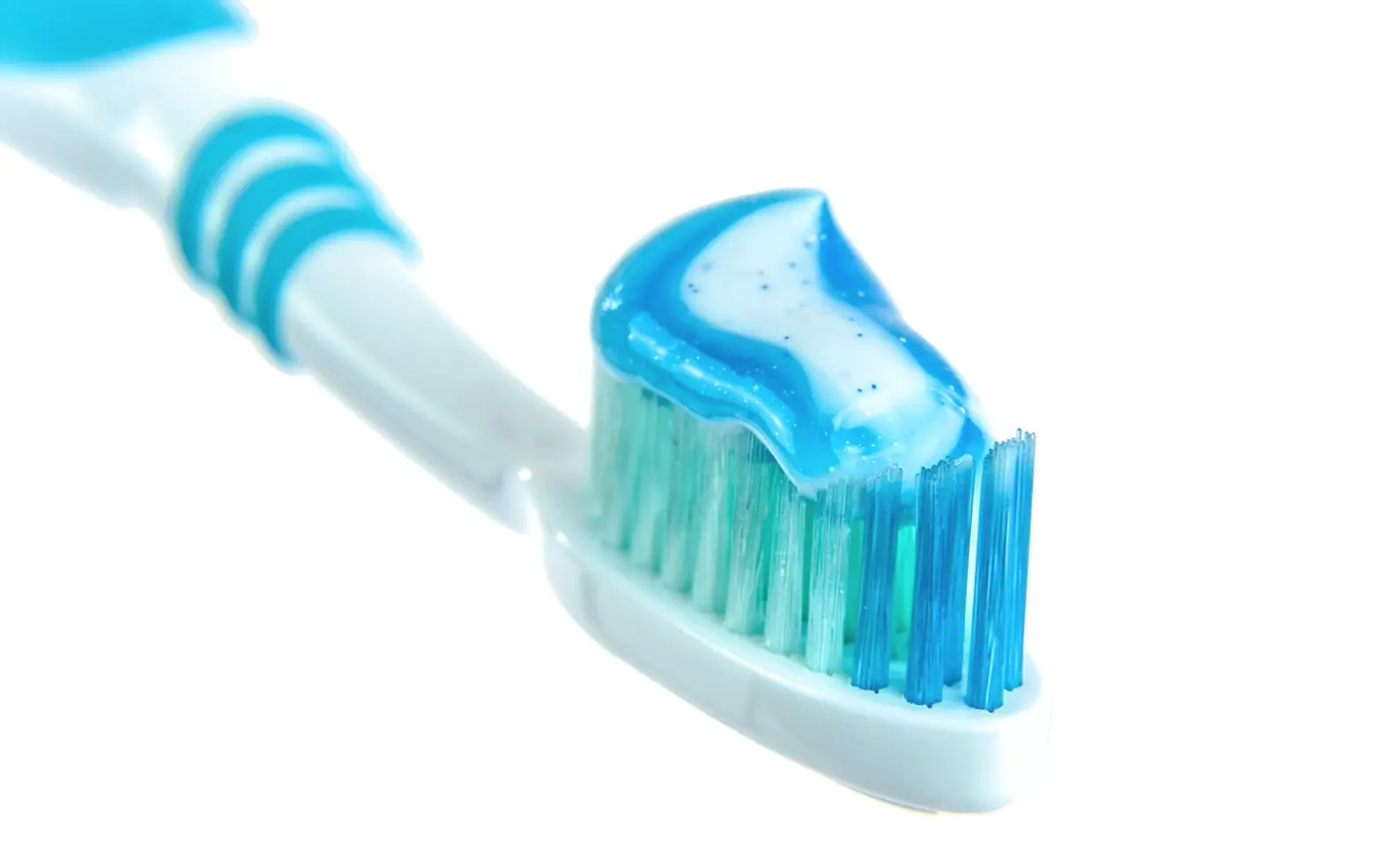
Keep it simple and do it at the same times each day, often after breakfast and before bed. A soft brush and a fluoride toothpaste are the basics; a dentist or dental hygienist can say whether a higher-strength paste would be sensible. Electric brushes do much of the work for tired hands, and a foam grip or a brush with a thick handle helps with a manual one. For the gaps between teeth, small interdental brushes are often easier than floss.
If your parent wears dentures, they should come out to be cleaned each day and, unless the dentist advises otherwise, rest out of the mouth overnight. Ask the dental team how best to clean around implants and bridges, since these need a little extra attention at the gumline.
When you are doing the brushing
Helping another adult brush can feel strange for both of you. A few things make it easier:
- Explain each step before you do it, and let your parent do as much as they can.
- Stand slightly behind or beside them rather than face to face; it is more natural and steadier.
- Use a pea-sized amount of toothpaste and a gentle touch, working round the mouth in the same order every time.
- Choose a calm moment. If they are resistant, stop and try again later rather than forcing it.
- Glance inside for sores, swelling, broken teeth or ulcers while you are there.
This is one of the personal-care tasks covered more broadly in our pillar guide on caring for elderly parents at home, including how to keep dignity at the centre.
Dry mouth and medicines
A mouth that feels dry, sticky or sore is uncomfortable, and it also raises the risk of decay and gum problems. Regular sips of water, sugar-free gum or lozenges if they are safe to use, and avoiding sugary drinks between meals can all help. If dry mouth started after a new prescription, mention it to the pharmacist or doctor rather than stopping anything. Keeping a clear record of every medicine makes that conversation easier, and our guide to medication management for elderly parents shows how to set one up.
Keeping dentist visits going
Ask the dentist how often your parent should be seen, as the right gap depends on their mouth. When booking, mention mobility needs, hearing or memory difficulties and the full medicine list. Some practices offer longer appointments, step-free access or home visits for people who cannot easily travel.
Replacing missing teeth can make a real difference to what a person feels able to eat. Our article on how dental implants support whole-body wellness explains one of the options a dentist may discuss. Crowded or crooked teeth also trap more plaque at any age, a point covered in our look at how orthodontics affects oral health and confidence.
Book a dental appointment sooner if you notice
- pain, sensitivity or a broken or loose tooth;
- bleeding or swollen gums, or a bad taste that does not go away;
- dentures that rub, slip or have cracked;
- a sore, patch or lump in the mouth that has not healed within a couple of weeks;
- your parent avoiding certain foods or eating less than usual.
Facial swelling, a fever with tooth pain or difficulty swallowing needs prompt medical help the same day.
Don’t miss these
 Pregnancy & FamilyNewborn Hunger Cues: How to Tell Your Baby Is Hungry4 min
 HealthWhat Is Ashwagandha? A Beginner’s Guide to the Ancient Adaptogen2 min
 Pregnancy & FamilyNewborn Umbilical Cord Care: Looking After the Stump4 min
 HealthHow Does Sleep Work: An In-Depth Look at the Body’s Nocturnal Processes3 min