PMS or Early Pregnancy? How to Tell the Difference
4 min
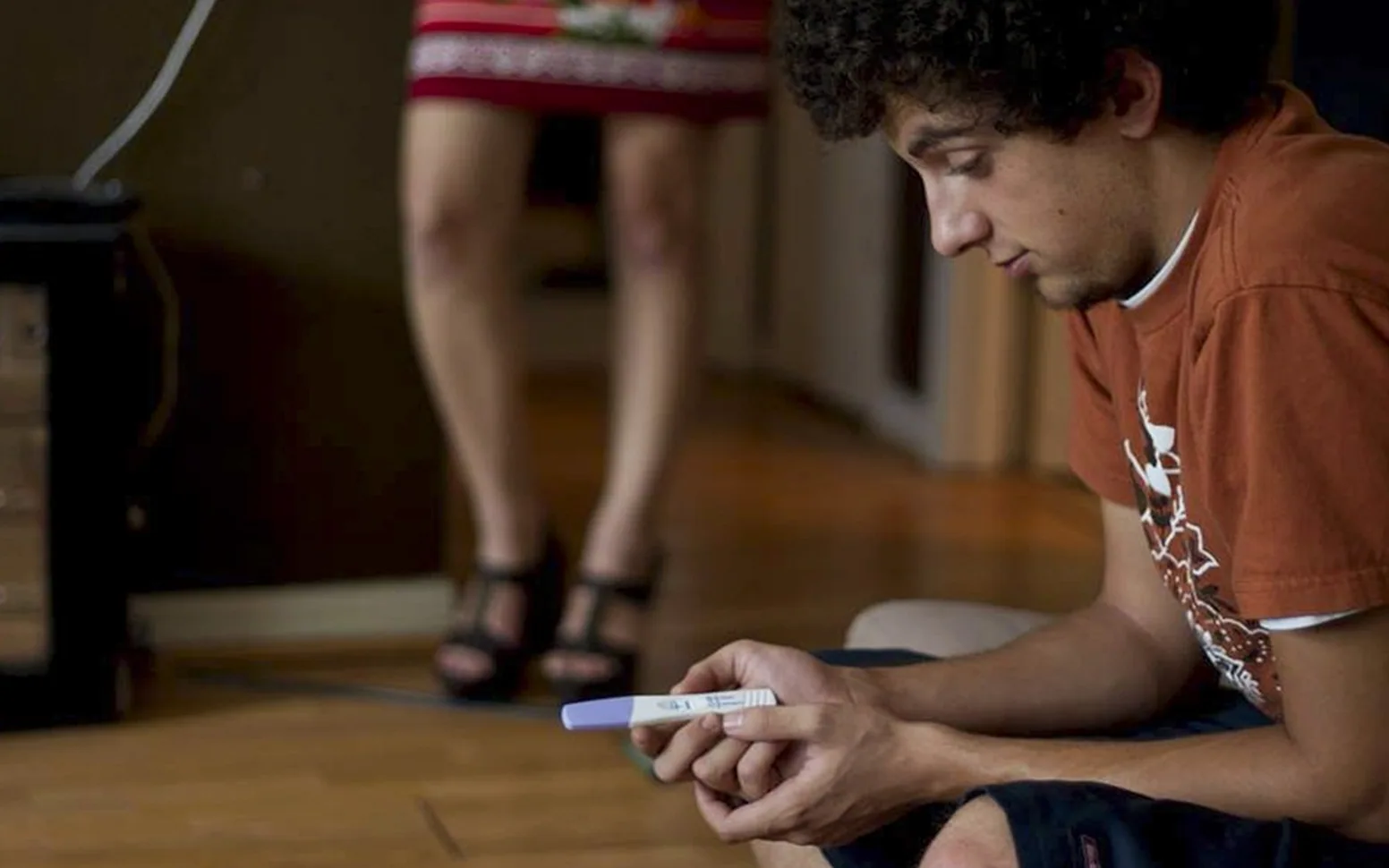
Premenstrual symptoms and the earliest signs of pregnancy can feel almost identical. Tender breasts, tiredness, bloating, mild cramps and mood changes are common to both. There are a few clues that lean one way or the other, but no symptom on its own can confirm or rule out pregnancy. The only reliable answer comes from a pregnancy test, ideally taken once your period is late, or from a test arranged by your doctor.
Why the two feel so alike
In the second half of the menstrual cycle, after an egg is released, the hormone progesterone rises. If no pregnancy begins, levels fall again and a period starts, often with a cluster of familiar symptoms in the days before. If a pregnancy does begin, progesterone stays high and the body also starts producing hCG, the hormone that pregnancy tests detect. Because progesterone is involved either way, the early physical signals overlap heavily.
Side by side
Everyone's body is different, so treat this table as a general comparison rather than a diagnostic tool.
| Symptom | More typical of PMS | More typical of early pregnancy |
|---|---|---|
| Breast tenderness | Usually eases once the period starts | May persist and feel fuller or more sensitive over time |
| Bleeding | A normal period arrives | Some people notice light spotting that is shorter and lighter than a period |
| Cramping | Often just before or at the start of a period | Mild twinges are sometimes reported, without a period following |
| Nausea | Not usually part of PMS | Common, though often from a few weeks on rather than straight away |
| Food and smell | Cravings for particular foods | Strong aversions and a heightened sense of smell |
| Tiredness | Common in the days before a period | Often deep and lasting, beyond the usual cycle pattern |
| Needing to urinate | Not usually changed | May become more frequent |
| Mood | Irritability or low mood that lifts after the period starts | Mood swings that can continue for weeks |
The clue that matters most: timing
If you track your cycle, timing is often more telling than any symptom. PMS follows a pattern you may recognise from previous months and fades soon after bleeding starts. A late period, especially if your cycle is usually regular, is the main reason to take a test. Keeping a simple record of cycle dates, in a diary or an app, makes this much easier to judge.
Taking a pregnancy test
Home pregnancy tests look for hCG in urine. They are most dependable from the first day of a missed period onwards. Testing earlier is possible with some sensitive tests, but a negative result at that stage can simply mean hormone levels are still too low to detect.
- Read the instructions for your specific test before you start.
- Check the expiry date on the pack.
- Wait the full time stated before reading the result, and do not read it long after the window has passed.
- If the result is negative and your period still has not come, test again a few days later.
Can I take a pregnancy test at night?
Yes, you can test at any time of day. Very early on, first-morning urine tends to be more concentrated, so some people prefer it for an early test. If you test later in the day, try not to drink a large amount of fluid just beforehand, as diluted urine can make a faint result harder to see.
Why might my period be late if the test is negative?
Periods can be delayed by stress, illness, travel, changes in weight or exercise, some medicines and hormonal changes such as perimenopause. If your period stays absent, or your cycle becomes irregular, it is worth speaking with your doctor.
When to seek medical advice
Contact a doctor or urgent care service promptly if you have severe pain in the lower abdomen, especially on one side, heavy bleeding, pain at the tip of the shoulder, dizziness or fainting. These can be signs of a problem that needs checking quickly, whether or not you have taken a test. For milder symptoms that are affecting daily life, such as premenstrual mood changes that feel overwhelming, a routine appointment is a sensible step.
If the test is positive
Contact your doctor or local maternity service to arrange early care. Our guide to what to expect in the first trimester covers the changes and appointments ahead. Before taking any medicine bought without a prescription, check with a pharmacist that it is suitable; our overview of over-the-counter medicines explains what to ask. Some people like to mark the moment by starting a journal, and our article on why pregnancy journaling is worth it has gentle ideas for the first page.
Don’t miss these
 Pregnancy & FamilyNewborn Hunger Cues: How to Tell Your Baby Is Hungry4 min
 HealthWhat Is Ashwagandha? A Beginner’s Guide to the Ancient Adaptogen2 min
 Pregnancy & FamilyNewborn Umbilical Cord Care: Looking After the Stump4 min
 HealthHow Does Sleep Work: An In-Depth Look at the Body’s Nocturnal Processes3 min