Newborn Hiccups: Why They Happen and How to Help
4 min
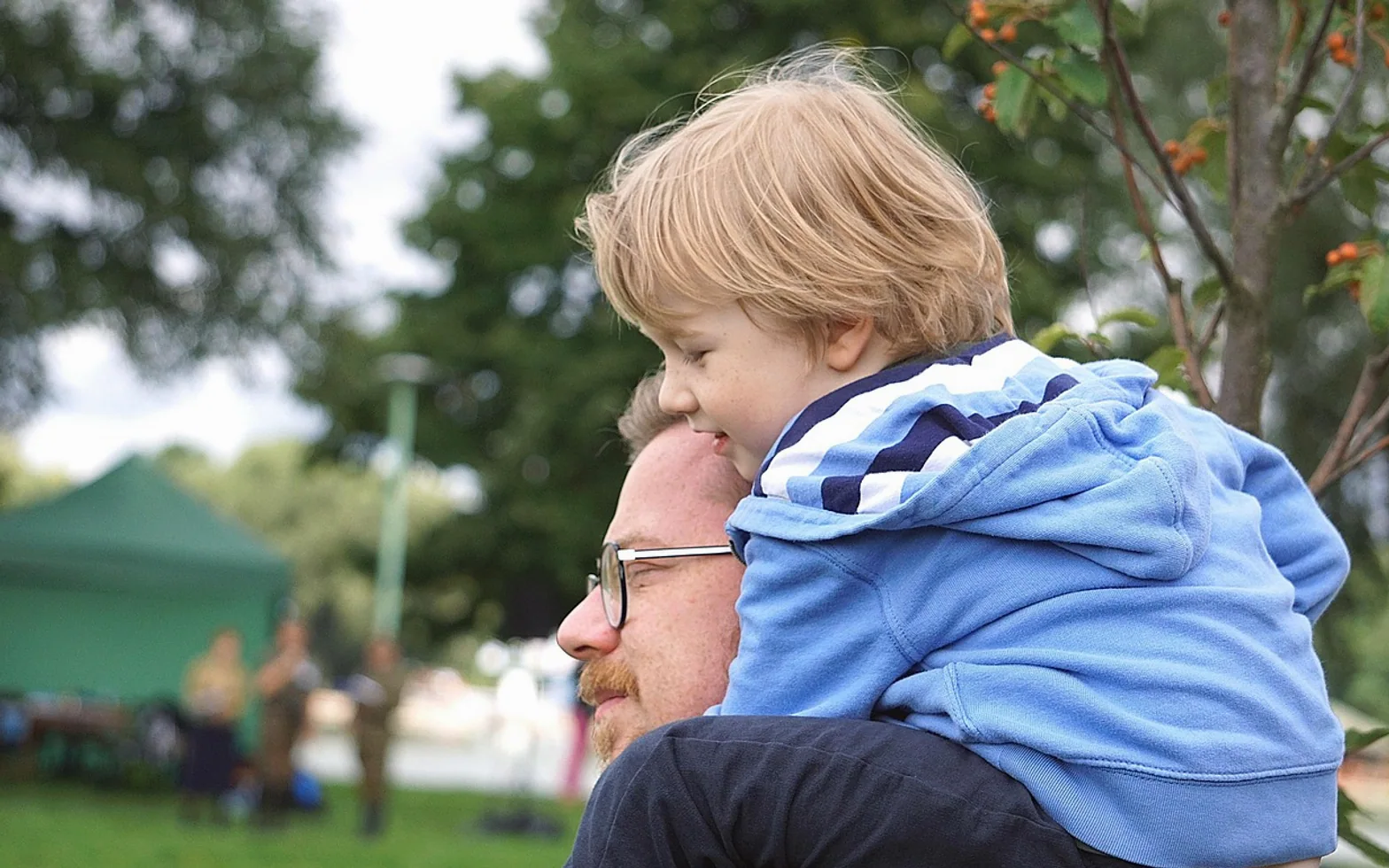
Newborn hiccups are very common and, in most cases, harmless. They often start during or just after a feed and stop on their own within a few minutes. Many babies carry on feeding, dozing or gazing around without seeming to notice. A few simple changes to feeding can make them less frequent, but there is usually no need to do anything at all.
What is actually happening
A hiccup is a sudden, involuntary tightening of the diaphragm, the dome-shaped muscle under the lungs that helps us breathe. As the muscle jerks, air rushes in and the vocal cords snap shut, which makes the familiar "hic" sound. In a newborn, the systems that coordinate breathing, swallowing and digestion are still maturing, so these little spasms happen easily.
Babies hiccup before birth too. Many parents notice small, rhythmic flutters in the later months of pregnancy and later learn that these were hiccups. It is the kind of detail people love to record in a pregnancy journal.
Common triggers
Nobody can point to a single cause, but these situations are often linked with a bout of hiccups:
- A full tummy. A stomach that stretches quickly after a big or fast feed may irritate the diaphragm.
- Swallowed air. Gulping, a shallow latch or a bottle teat that flows too fast can let air in.
- Excitement or crying. Feeding after a long cry often means more air is swallowed.
- Small changes in temperature, such as being undressed for a diaper change, are mentioned by many parents.
Gentle things that can help
- Pause the feed. Take a short break, sit your baby more upright and let things settle.
- Try a burp. Hold your baby upright against your shoulder or sitting on your lap with their chin supported, and pat or rub the back slowly.
- Feed a little earlier. Offering a feed at the first signs of hunger, rather than after crying starts, often means calmer sucking and less air. Our guide to newborn hunger cues explains what to look for.
- Check the bottle flow. If you bottle feed, a slow-flow teat and holding the bottle at a gentle angle can reduce gulping.
- Keep your baby upright after feeds for a little while before laying them down.
- Wait. Most episodes fade without help, and a relaxed, unbothered baby needs nothing more.
Remedies to leave for adults (or skip entirely)
Tricks people use on themselves are not suitable for a tiny baby. Avoid:
- startling or scaring your baby;
- pulling the tongue, pressing on the eyes or patting hard;
- giving sugar, honey, water or anything else by mouth unless your baby's doctor has advised it (honey is not safe for babies under one year);
- gripe water, herbal drops or other remedies without first asking a pharmacist or doctor.
Usually fine or worth a call?
| Usually nothing to worry about | Worth mentioning to your baby's doctor |
|---|---|
| Hiccups during or after feeds that pass on their own | Hiccups that regularly come with forceful spit-up or vomiting |
| Your baby keeps feeding, sleeping or looking around calmly | Crying, arching the back or seeming in pain during hiccups |
| Several short bouts a day | Hiccups that often stop your baby feeding or sleeping well |
| Normal colour and breathing | Any trouble breathing, a bluish tinge around the lips, or poor feeding |
Frequent hiccups paired with lots of spitting up and fussiness can sometimes be linked to reflux, which a doctor can assess. If your baby ever struggles to breathe or changes colour, seek urgent help.
Questions parents often ask
Can I lay my baby down to sleep with hiccups?
Generally, yes. Hiccups do not affect a baby's breathing in a harmful way, so you can lay your baby on their back in a safe sleep space as usual. Many babies drift off mid-hiccup. If you want a refresher on why sleep matters so much in the early months, our piece on how the body sleeps is a good place to start.
Do hiccups mean my baby is still hungry?
Not necessarily. They can happen when a baby is full, mid-feed or not hungry at all. Watch the other cues: rooting and sucking suggest hunger, while relaxed hands and turning away suggest your baby has had enough.
Will my baby grow out of them?
Hiccups usually become less frequent as babies grow and their feeding and digestion mature. Older babies and children still get them from time to time, just like adults.
Should I stop feeding when hiccups start?
Not always. If your baby is comfortable and feeding well, you can carry on. If they seem unsettled, a short pause and a gentle burp is a reasonable first step.
Don’t miss these
 Pregnancy & FamilyNewborn Hunger Cues: How to Tell Your Baby Is Hungry4 min
 HealthWhat Is Ashwagandha? A Beginner’s Guide to the Ancient Adaptogen2 min
 Pregnancy & FamilyNewborn Umbilical Cord Care: Looking After the Stump4 min
 HealthHow Does Sleep Work: An In-Depth Look at the Body’s Nocturnal Processes3 min